Pickleball Eye Protection & Court Sunglasses
Pickleball’s rapid pace and close-quarters exchanges, especially at the kitchen line, create unexpected risks for your eyes. A stray ball or paddle can cause serious injury in an instant, making proper eye protection essential for players of all levels. Choosing the right pickleball glasses is a smart investment in your safety and performance.
Why Eye Protection is Non-Negotiable at the Kitchen Line
The kitchen zone demands quick reflexes and tight volleys, putting your eyes in the danger zone. A hard plastic pickleball traveling at even moderate speed can cause corneal abrasions, retinal damage, or worse if it strikes your eye. Unlike tennis or racquetball, pickleball’s shorter court means less reaction time during dinks and drop shots, increasing the risk of accidental contact. Many players mistakenly believe casual eyewear or no protection is sufficient for recreational play, but a single mishap can end your game—and potentially your vision—forever. Prioritizing certified eye protection isn’t just for pros; it’s a fundamental safety step for every player stepping onto the court.
Understanding Impact Ratings for Pickleball Glasses
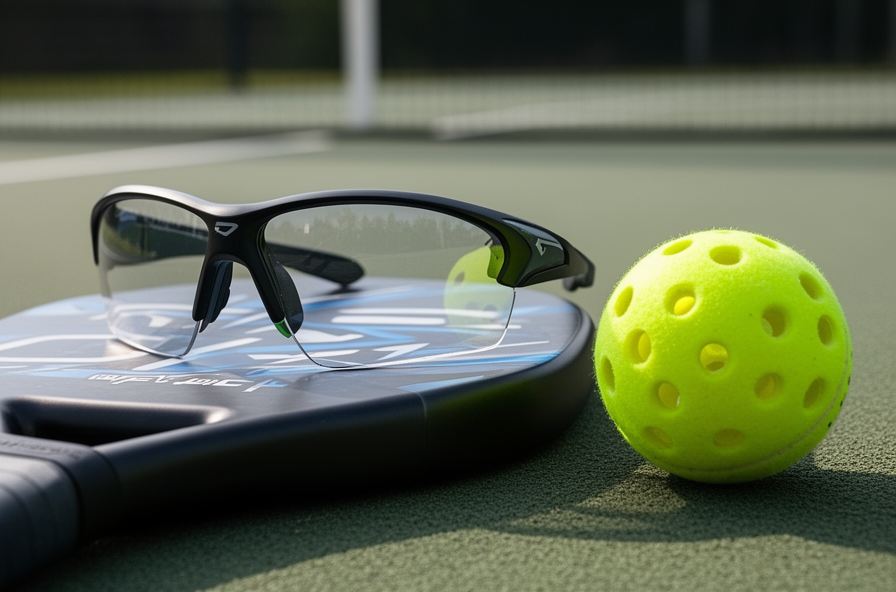
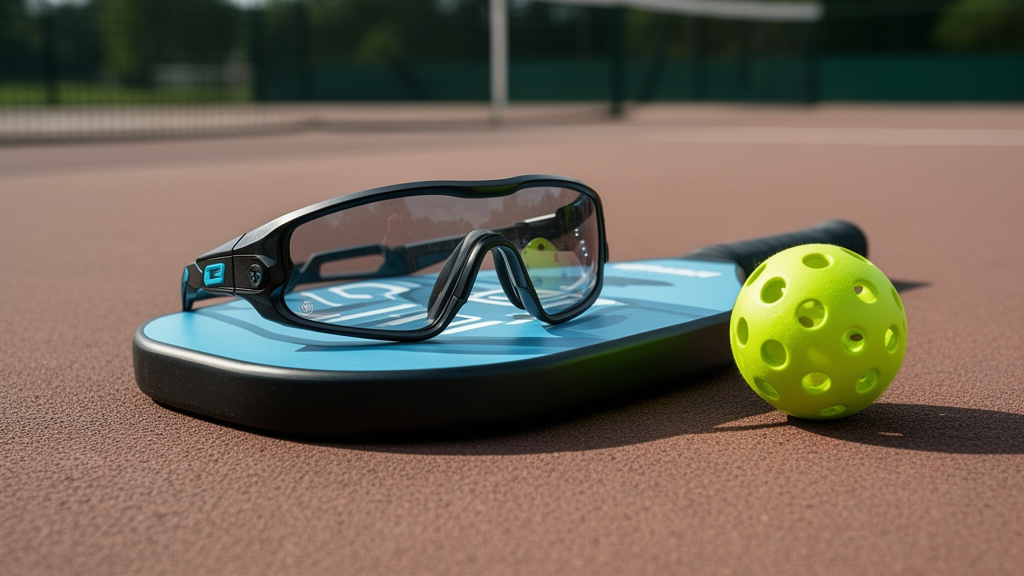
Not all eyewear offers adequate defense against pickleball’s unique hazards. Look for glasses certified to ANSI Z87.1, the U.S. standard for impact resistance. This rating ensures lenses won’t shatter upon high-velocity impact, reducing the risk of glass fragments causing injury. While some fashion sunglasses lack this certification, sports-specific models from brands like Smith or Oakley often exceed it with reinforced frames and polycarbonate lenses. Avoid novelty or untested eyewear; the difference between ANSI-certified and non-certified gear could be the difference between a scare and a trip to the emergency room. Always check product descriptions for “ANSI Z87.1” or “high-mass impact” ratings before purchasing.
Sunglasses vs. Clear Lenses: When to Choose Which
Your playing environment dictates the best lens choice. For outdoor courts, polarized or UV-protected sunglasses reduce glare from bright sunlight and improve contrast—critical for tracking the ball on concrete or asphalt surfaces. These models often feature amber or gray tints to enhance visibility without distorting colors. Conversely, clear lenses are ideal for indoor play or overcast days where light is limited; they maximize light transmission while still providing impact protection. Some players prefer photochromic lenses that darken in sunlight, but be aware they may not adjust quickly enough during fast indoor-outdoor transitions. For versatility, consider having both options: clear lenses for morning indoor sessions and sunglasses for afternoon outdoor matches. Remember, UV protection is vital even on cloudy days, as harmful rays penetrate cloud cover.
Anti-Fog Technology: Keeping Your Vision Clear
Fogging is a common frustration during intense rallies, especially in humid conditions or when wearing a face mask. Anti-fog features are non-negotiable for reliable performance. Many quality pickleball glasses incorporate hydrophilic coatings that disperse moisture evenly across the lens, preventing fog buildup. Others use vented frame designs that promote airflow without compromising coverage. Avoid wiping fog with your sleeve—it scratches lenses and wastes precious seconds. Instead, look for models explicitly mentioning “anti-fog technology” or “fog-resistant coating” in their specifications. If fogging persists, some players use over-the-counter anti-fog sprays designed for sports eyewear, but ensure they’re compatible with your lens material.
Comfort and Fit: Wearing Glasses Under Hats and Headbands
Most players wear hats or headbands to manage sweat, so your glasses must stay secure without pinching or slipping. Wraparound styles with flexible rubber temple tips often work best, conforming to your head without pressure points. Semi-rimless frames are popular for reducing weight and improving peripheral vision, while adjustable nose pads prevent slippage during quick lateral movements. When trying on glasses, simulate court conditions: tilt your head, bounce lightly, and ensure they stay put under a cap or headband. Heavy frames or poor grip can lead to distractions or mid-game adjustments, so prioritize lightweight materials like TR90 or nylon. A well-fitting pair should feel almost unnoticeable, even during an intense volley.
How to Choose the Right Pickleball Glasses for You
Selecting the perfect pair starts with assessing your typical play environment. If you primarily play outdoors, prioritize UV-blocking sunglasses with polarized lenses; for indoor enthusiasts, clear ANSI-certified lenses are essential. Always verify impact ratings first—safety is paramount. Next, consider anti-fog capabilities and comfort under headwear; read product descriptions carefully for features like “vented frames” or “adjustable nose pads.” Try multiple styles if possible, as face shapes vary widely; some brands offer size ranges (e.g., “small fit” or “wide temple”) for better compatibility. Check return policies before buying online, as fit is personal. While popular brands like Zeal or Tifosi make reliable sports models, focus on certified features rather than brand names. Finally, maintain your glasses: clean lenses with a microfiber cloth and store them in a protective case to preserve coatings. With the right pickleball glasses, you’ll gain confidence at the net without compromising safety or clarity.
Shop pickleball glasses on Amazon →
As an Amazon Associate we earn from qualifying purchases.