Pickleball Machines: Practice Like You Mean It
Consistent practice is the cornerstone of improving at pickleball, and a pickleball machine removes the guesswork from solo training. These devices deliver precise, repeatable balls so you can focus on refining technique without relying on a partner. Whether you’re a beginner building fundamentals or an advanced player sharpening competitive skills, a machine turns any court into your personal practice zone.
What Pickleball Machines Can Do for Your Game
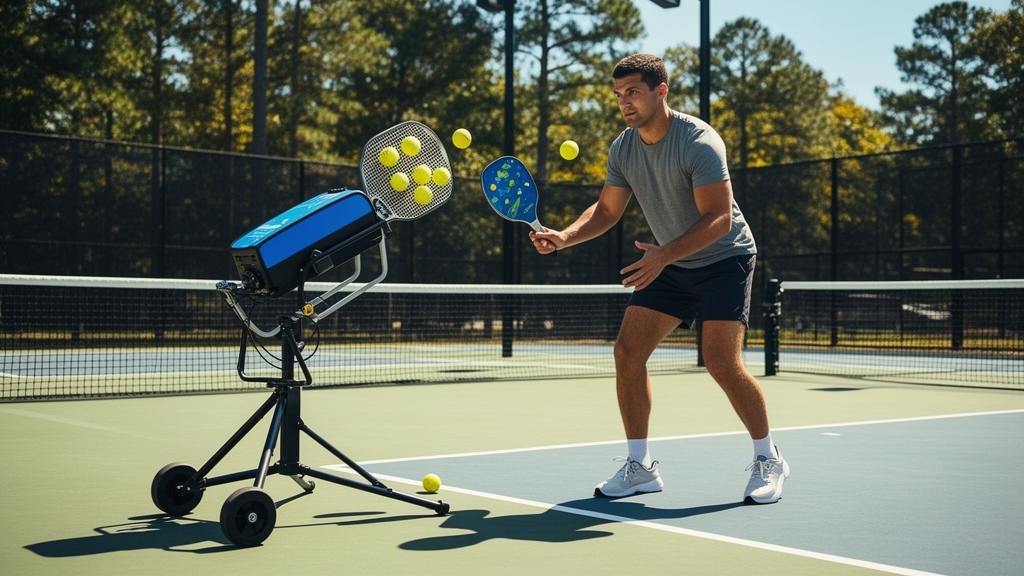
Pickleball machines simulate real-game scenarios by launching balls with controlled speed, spin, and placement. They allow you to practice groundstrokes, volleys, and serves with consistent repetition—something even the most patient partner can’t match. Key functions include variable speed settings (from slow dinks to aggressive drives), adjustable spin (topspin, backspin, and sidespin), and oscillation features that randomly shift shot placement across the court. This variety helps you develop muscle memory for different ball trajectories and adapt to unpredictable opponents. Some models also offer programmable drills that cycle through specific sequences, mimicking common in-game patterns like third-shot drops or lobs.
Who Benefits Most from a Pickleball Machine
While serious players often invest in these tools, they’re valuable for a wider range of enthusiasts. Beginners gain confidence through controlled repetition, learning to time swings without the pressure of live rallies. Intermediate players can target specific weaknesses, like backhand returns or dinking consistency, by dialing in precise ball placements. Competitive athletes use machines to simulate tournament-level intensity, practicing rapid-fire exchanges under fatigue. Even coaches leverage them for group lessons, ensuring every student gets identical ball feeds during technique clinics. If you’re committed to advancing beyond recreational play, a machine accelerates progress by making practice intentional and measurable.
Features Worth Prioritizing in Your Purchase
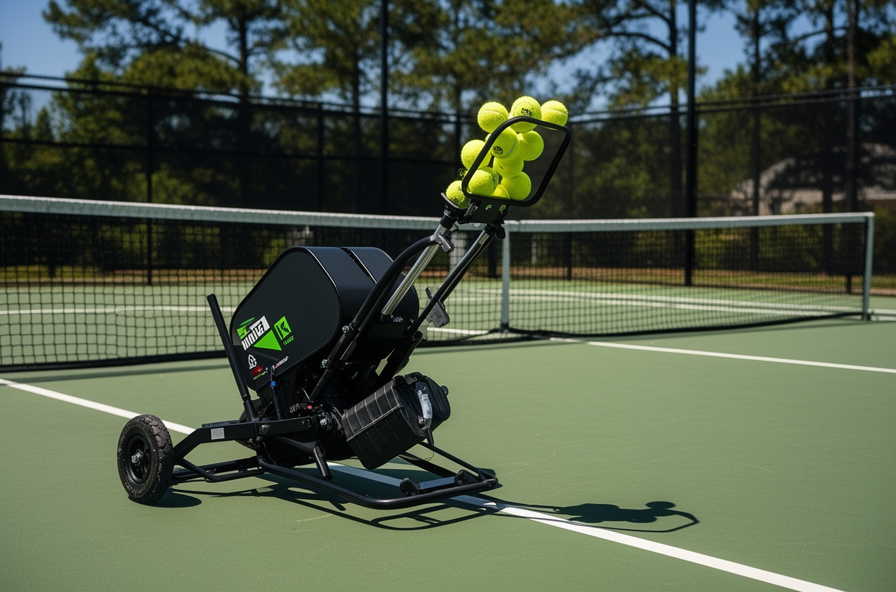
Not all pickleball machines are created equal, so focus on features that align with your goals. Look for adjustable height settings to practice low dinks and high volleys without manual adjustments. Variable spin control is essential for developing touch on angled shots and handling opponents’ spin. Oscillation range matters too—wider coverage (e.g., 10+ feet) better simulates real-game movement. A large ball hopper (20+ balls) minimizes downtime between drills, while a sturdy frame ensures stability during aggressive feeds. For long-term use, check if the machine accommodates standard pickleballs and has replaceable parts like wheels or belts. Models from brands like Franklin, Onix, and Jugs commonly include these features on Amazon, but always verify specifications before buying.
Portability and Power: Practice Anywhere
Consider where you’ll use your machine most. Court-side portability is critical if you’re lugging it to community courts. Look for lightweight designs (under 50 lbs) with built-in handles or wheels—some fold for compact storage. Battery life is equally important; machines with lithium-ion batteries typically offer 2–4 hours of continuous use, enough for multiple drills without hunting for outlets. For home courts, AC power might suffice, but for public parks, prioritize cordless models. Note that heavier machines often trade portability for stability, so balance these factors based on your practice environment. Always confirm battery specifications with the manufacturer, as real-world performance varies with speed and spin settings.
Drills to Maximize Your Machine Time
Maximize efficiency by structuring drills that target specific skills. Start with forehand/backhand consistency: set the machine to medium speed with no spin, focusing on clean contact and footwork. For dinking proficiency, lower the speed and feed short, soft shots; practice keeping the ball low while moving laterally. To build volley reflexes, position the machine close to the net at high speed for rapid exchanges. Simulate third-shot drives by programming a sequence: a slow dink followed by a faster drive. Advanced players can practice spin recognition by alternating between topspin and backspin feeds, adjusting their swing accordingly. Keep sessions short (15–20 minutes per drill) to maintain focus and avoid fatigue.
How to Choose the Right Machine for You
Selecting the best pickleball machine starts with your primary use case. If you’re a beginner or casual player, prioritize simplicity and affordability—look for models with basic speed and oscillation controls. Competitive players should seek advanced features like programmable drills and wide spin ranges, even if they cost more. Consider your storage space; some machines require assembly and permanent setup, while others disassemble quickly. Check warranty terms and customer support availability, as mechanical parts may need servicing. Read verified owner reviews on Amazon to gauge real-world reliability, but skip reviews mentioning price or unverified performance claims. Finally, ensure the machine’s feed rate (balls per minute) aligns with your stamina—beginners might prefer 10–15 balls/minute, while elites train at 20+. Test models in person if possible, but most decisions are made online using spec comparisons.
Shop pickleball machine on Amazon →
As an Amazon Associate we earn from qualifying purchases.