Pickleball Training Aids That Actually Help
Pickleball Training Aids That Actually Help
Struggling to find consistent practice time? You’re not alone—many players juggle busy schedules but still want to improve. The right pickleball training aids can transform solo sessions into meaningful progress, cutting through the noise of gimmicky products to focus on what truly builds skills.
Understanding Rebounders: Your Solo Practice Partner
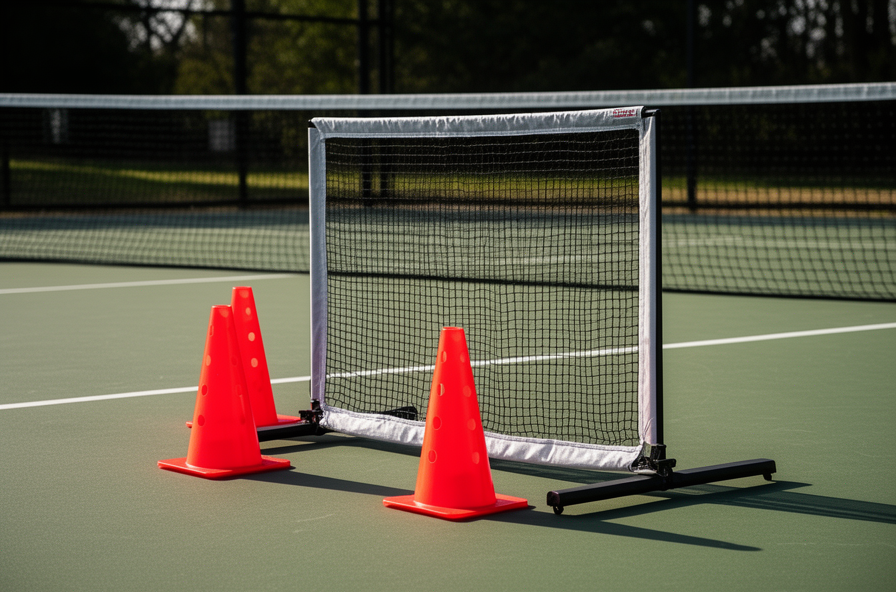
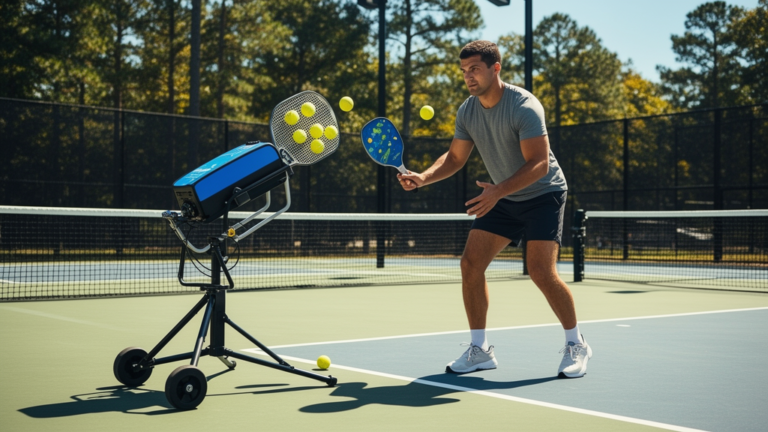
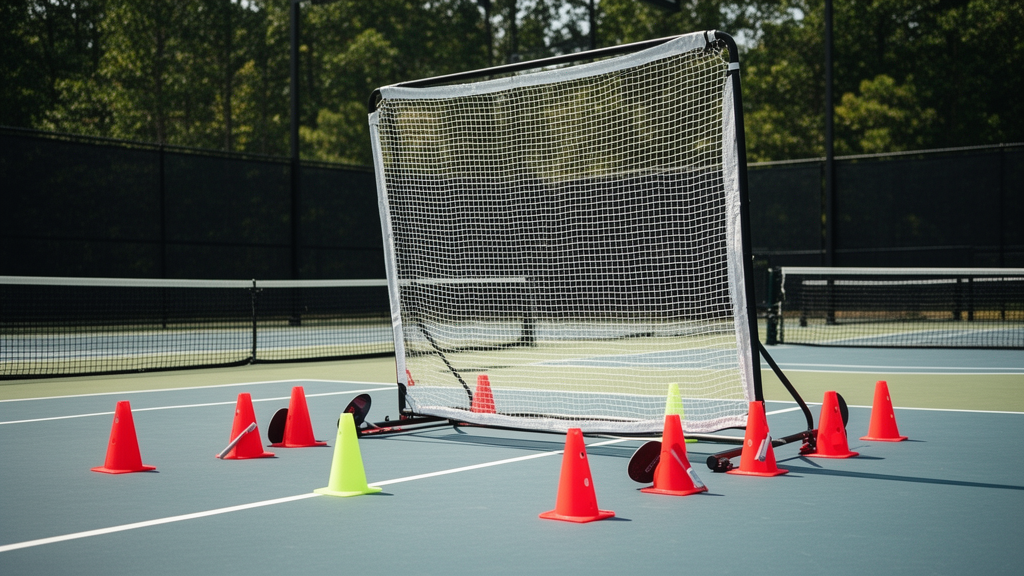
Rebounders are among the most effective tools for developing consistency without a partner. These adjustable units, often featuring a taut fabric or net surface, return balls at varying angles and speeds. They’re ideal for honing dinks, volleys, and third-shot drops by simulating real-game returns. Look for models with stable bases and height-adjustable frames that can withstand repeated impacts without wobbling. Brands like ProBounce or RallyRacket offer options with multiple tension settings, letting you gradually increase difficulty as your control improves. The key is to start slow—focus on soft, controlled shots before progressing to faster-paced drills. Pair rebounder work with a bucket of balls to maximize your 15–20 minute sessions, ensuring each hit reinforces proper technique rather than just mindless repetition.
Targets, Cones, and Radar Guns: Precision Tools
Adding targets to your court sharpens shot placement and strategic thinking. Simple adhesive court targets or freestanding markers (like those from Onix or Franklin) help you practice hitting specific zones—essential for mastering dinks and lobs. Place them near the kitchen line for precision drills, then expand to deep corners as you improve. Cones serve dual purposes: they outline boundaries for footwork exercises or create “obstacles” to simulate crowded court scenarios. For measurable progress, a portable radar gun (available from brands like Bushnell or Stalker) tracks serve and stroke speed, providing instant feedback on power development. Use it sparingly—focus on consistency first, then velocity—to avoid sacrificing control for speed. Remember, these tools excel when integrated into structured drills, not as standalone fixes.
Solo Drills That Build Consistency
Effective solo training turns aids into skill builders. Start with rebounder dink drills: stand 3–4 feet from the net and focus on keeping balls below waist height for 20 consecutive hits. If the rebounder isn’t available, practice against a wall with a consistent bounce height. Target practice transforms into a game—set up three zones and aim for 10 successful hits per area before moving on. For serves, use cones to mark your service zone and a target for accuracy, tracking how many land in-bounds over 20 attempts. The magic lies in repetition with intent: each drill should target one specific skill, like keeping your paddle face neutral during volleys or using your non-dominant hand for balance. Consistency comes from mindful practice, not duration—10 focused minutes daily yield better results than sporadic hour-long sessions.
Separating Gimmicks from Genuine Training Aids
Not all products deliver on their promises. Gimmicks often make exaggerated claims like “instant pro-level skills” or rely on flimsy construction that falls apart after two uses. Avoid aids promising to fix technique through passive use (e.g., wrist straps that “automatically” align your swing) or unproven tech like vibration sensors with no clear feedback. Instead, prioritize durability and simplicity. A quality rebounder should have a sturdy frame and replaceable fabric; targets should stick securely to your court without damaging surfaces. Look for items with transparent reviews mentioning long-term usability—phrases like “still using it after a year” signal reliability. If a product lacks clear instructions for skill-specific drills or feels overly complex, it’s likely more novelty than tool. Stick to aids that require active engagement; your improvement depends on your effort, not the gear.
Building a Sustainable Practice Routine
Integrating training aids into a weekly routine ensures steady progress. Dedicate two 15-minute sessions to rebounder work for consistency, one to target-based placement drills, and one to serve/return practice with cones. Rotate focus areas: Monday for dinks, Wednesday for drives, Friday for serves. Keep sessions short to maintain concentration—set a timer to avoid fatigue-based bad habits. Always begin with dynamic stretches (arm circles, lunges) and end by analyzing what worked. Track improvements simply: note how many consecutive dinks you achieve or your serve accuracy percentage. If time is tight, combine aids—use a rebounder with a target attached to practice controlled power. The goal isn’t perfection but measurable growth; even small weekly gains compound into significant skill leaps over months.
How to Choose the Right Training Aids for You
Selecting tools depends on your current gaps and goals. Beginners should start with a rebounder and basic targets—these address foundational control issues without overwhelming complexity. Intermediate players might add a radar gun to refine power management or cones for footwork drills. Prioritize versatility: a rebounder that adjusts for height and angle serves multiple purposes, while a set of reusable court targets works for both serves and groundstrokes. Consider storage and portability; if you practice in a garage, a wall-mounted rebounder saves space, whereas foldable options suit outdoor courts. Read verified customer reviews for real-world durability notes—phrases like “held up in windy conditions” or “easy to set up solo” are telling. Finally, invest in one quality aid at a time; mastering a rebounder’s full potential is more valuable than owning five half-used gadgets. Your gear should enable purposeful practice, not collect dust while promising results it can’t deliver.
Shop pickleball training aids on Amazon →
As an Amazon Associate we earn from qualifying purchases.