Pickleball Paddle Weight Guide
Pickleball paddle weight is a crucial factor that directly impacts your control, power, and overall enjoyment on the court. Understanding the differences between light, mid, and heavy paddles helps you match your equipment to your playing style and physical needs. This guide breaks down weight categories, their pros and cons, and who should choose each for better performance.
Understanding Paddle Weight Categories
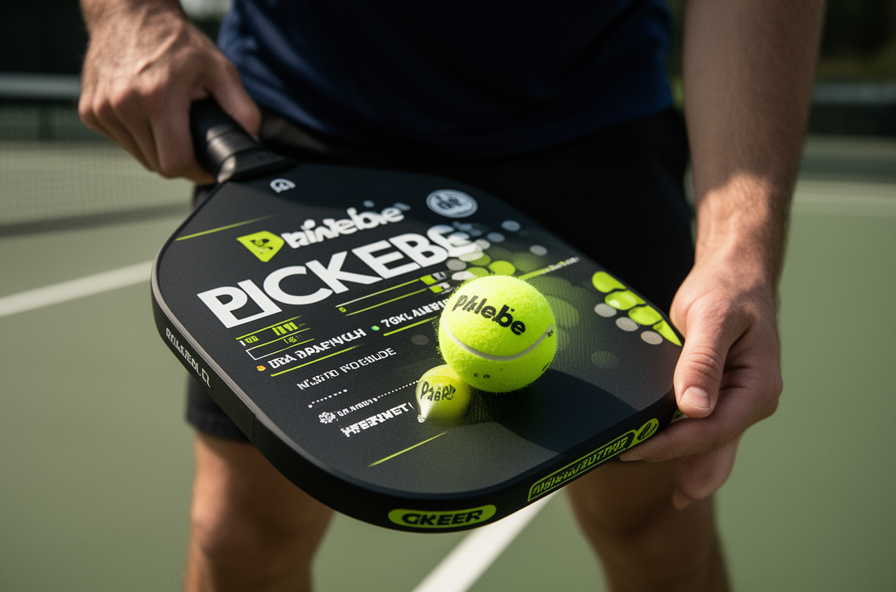
Pickleball paddles typically fall into three weight ranges: lightweight (7.0–7.8 ounces), mid-weight (7.9–8.4 ounces), and heavy (8.5+ ounces). These categories aren’t rigidly defined by brands but are widely recognized by players and industry experts. Weight distribution also plays a role—some paddles feel heavier due to a top-heavy design, while others balance weight toward the handle for easier maneuverability. Most paddles list their weight on the packaging or product description, so always check before purchasing. Brands like Selkirk, Paddletek, and Onix offer options across all these ranges, making it easy to find your ideal match.
Lightweight Paddles: The Control Specialist
Lightweight paddles (7.0–7.8 oz) prioritize finesse and quick reaction times, making them ideal for players who value dinking, third-shot drops, and precise placement. The reduced weight minimizes arm fatigue during long matches, which benefits older players or those recovering from elbow or shoulder issues. You’ll enjoy faster hand speed for rapid volleys at the net, but expect less power on drives and serves—your swing technique must generate most of the force.
These paddles suit:
- Players with a strategic, control-focused style
- Those prioritizing comfort for joint health
- Beginners still developing power in their swing
- Competitive players who rely on soft shots and quick reflexes
While lightweight paddles reduce strain, they can feel less stable when blocking hard shots. If you frequently play against aggressive opponents, you might feel the paddle “recoil” on impact.
Mid-Weight Paddles: The All-Around Performer
Mid-weight paddles (7.9–8.4 oz) strike a balance between control and power, making them the most popular choice for recreational and intermediate players. They offer enough heft for solid drives and serves without sacrificing maneuverability for dinks or volleys. This versatility allows you to adapt to different situations without feeling constrained by the paddle’s weight.
Key advantages include:
- Reduced fatigue compared to heavy paddles during extended play
- Stability against powerful shots without feeling sluggish
- Ideal for players transitioning from lightweight to heavier options
- Suitable for all court positions (net, baseline, or mid-court)
Brands often design mid-weight models with composite or polymer cores to optimize this balance, offering consistent performance for 3.0–4.5 players. If you’re unsure where to start, a mid-weight paddle is a safe, adaptable choice that grows with your skills.
Heavyweight Paddles: The Power Option
Heavy paddles (8.5+ oz) deliver maximum power on serves, drives, and groundstrokes with minimal effort. The extra mass transfers momentum efficiently, making it easier to put pace on the ball—a boon for baseline players or those with slower swing speeds. However, this comes at a cost: heavier paddles require more strength to maneuver quickly, increasing fatigue and reducing control for delicate net shots.
They’re best for:
- Power-oriented players who dominate from the baseline
- Experienced athletes with strong shoulder and core stability
- Players seeking more pop without over-swinging
- Those with a consistent, full swing motion
Note that heavy paddles can exacerbate arm injuries if used improperly. If you’re prone to tennis elbow or shoulder strain, test one thoroughly before committing. Brands like Engage and Gamma produce heavy models with advanced materials to mitigate vibration, but physical demands remain higher than lighter options.
Choosing the Right Weight for Your Game
Match your paddle weight to your physicality and playing style—not just what advanced players use. If you’re a beginner, start with mid-weight or lightweight options to build technique without strain. Players over 50 or with joint concerns should prioritize lighter paddles to sustain long-term play. For competitive players, consider your primary position: net players lean toward light or mid-weight for quick reactions, while baseline hitters often prefer heavy paddles for power.
Here’s a quick reference:
- Control-focused or joint-sensitive? Opt for lightweight (7.0–7.8 oz)
- Seeking balance for all-around play? Choose mid-weight (7.9–8.4 oz)
- Power-driven with strong technique? Try heavy (8.5+ oz)
Always demo paddles if possible—many local clubs and tournaments offer trial programs. If buying online, check return policies; what feels great in your hand at home might not translate to the court.
Common Weight-Related Mistakes to Avoid
Players often choose paddles based on aesthetics or professional endorsements rather than their own needs, leading to frustration. One frequent error is selecting a heavy paddle for “more power” without considering the toll on your arm—this can cause injury or inconsistent shots if you lack the strength to control it. Conversely, beginners sometimes grab the lightest paddle available, only to struggle with generating power on serves and drives.
Other pitfalls include:
- Ignoring weight distribution: A paddle’s listed weight doesn’t reveal if it’s top-heavy or handle-balanced. A 8.2 oz paddle with weight concentrated at the edge can feel heavier than a well-balanced 8.4 oz model.
- Overlooking grip size: A thick grip on a heavy paddle increases fatigue. Ensure your grip complements the weight—smaller hands may struggle with heavy paddles regardless of weight class.
- Not testing different categories: Sticking to one weight range limits your growth. If you’ve only used mid-weight paddles, try a lightweight for net play to see if it improves your dinking.
- Misjudging “feel”: Holding a paddle in a store isn’t the same as using it during a fast-paced rally. Prioritize options with flexible return policies to test under real conditions.
Remember, the best paddle weight feels natural and enhances your strengths without forcing you to change your entire game. If you’re still uncertain, consult a local coach—they can watch your swing and recommend a weight that aligns with your mechanics. Ultimately, your paddle should be an extension of your arm, not a barrier to enjoying the sport.
Shop pickleball paddle weight guide on Amazon →
As an Amazon Associate we earn from qualifying purchases.