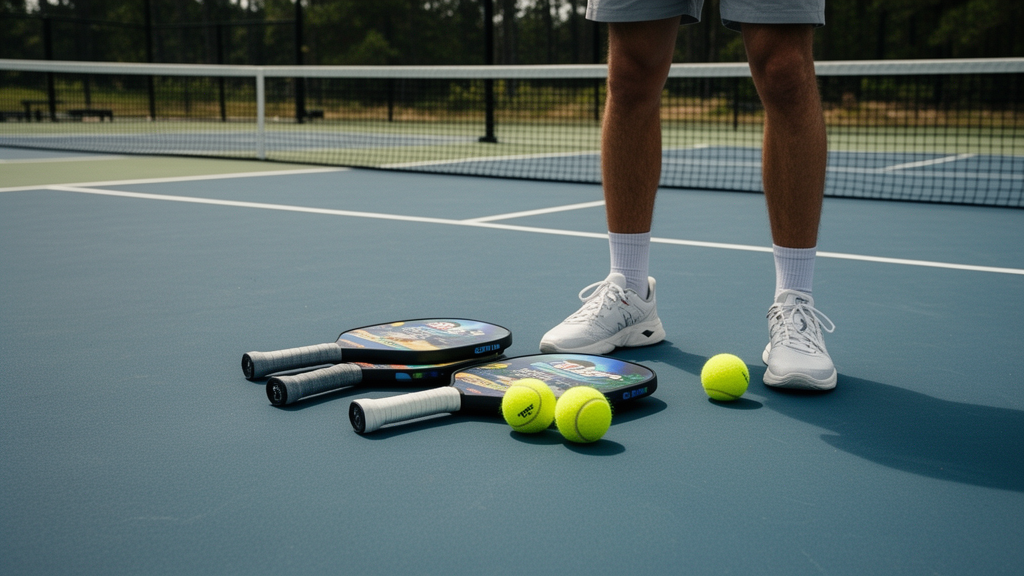
Best Pickleball Paddles: A Complete Buyer’s Guide
Pickleball paddles are more than just tools—they’re an extension of your game. Whether you’re just starting out or looking to upgrade, choosing the right one can make a big difference in your control, power, and overall enjoyment on the court. With so many options available, this guide breaks down everything you need to know to find the best pickleball paddles for your style and skill level.
Understanding the Key Parts of a Pickleball Paddle
A pickleball paddle has three main components: the core, the surface, and the grip. The core is the inner layer that affects feel and sound—common materials include polymer, aluminum, and nomex. Polymer cores are the most popular because they offer a good balance of control and durability. The surface, usually made of graphite, composite, or fiberglass, impacts spin and power. Graphite surfaces are lighter and offer more control, while fiberglass provides more power and durability. The grip should feel comfortable in your hand and absorb sweat. Look for grips with textured surfaces and adequate cushioning to reduce fatigue during long matches.
Weight Matters: Finding Your Sweet Spot
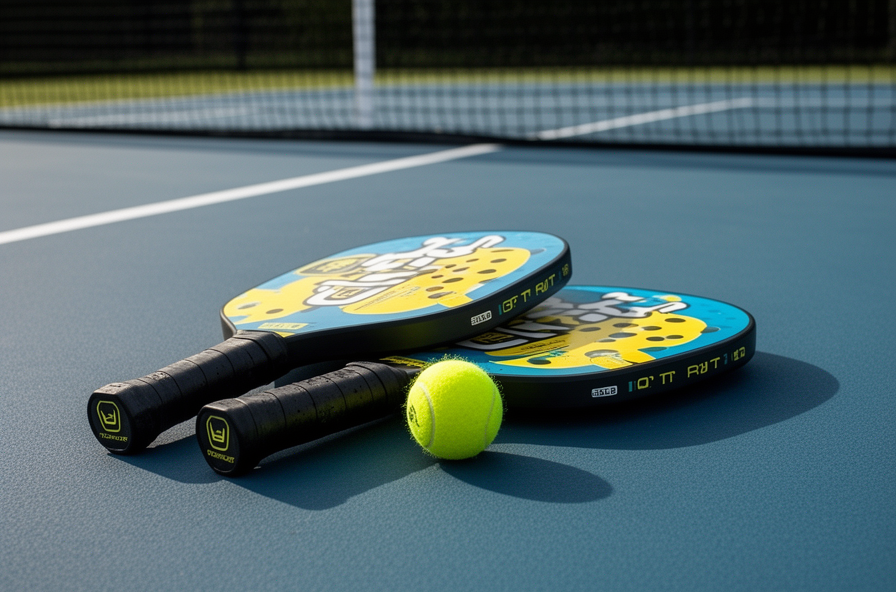
Pickleball paddles typically range from 6.8 to 14 ounces. Lighter paddles (6.8–7.8 oz) are easier to maneuver and ideal for players who rely on quick volleys and net play. They’re also great for beginners or anyone with shoulder concerns. Midweight paddles (7.9–8.4 oz) offer a balanced mix of control and power, making them the most popular choice among intermediate players. Heavier paddles (8.5 oz and up) deliver more power on groundstrokes and serves, but require more strength to handle. If you’re new to the game, start with a midweight paddle—it’s the easiest to adapt to and will grow with your skills.
Control vs Power: What’s Your Game Style?
Your playing style should guide your paddle choice. If you prefer finesse, placement, and consistent dinks, prioritize control. Look for paddles with a larger sweet spot, lighter weight, and a graphite surface. These help you place shots precisely without needing to swing hard. If you like to dominate with powerful serves and aggressive drives, a heavier paddle with a fiberglass surface will give you more pop. Most players benefit from a balance of both, so consider a midweight paddle with a composite surface—it delivers enough power without sacrificing too much control. Remember: power without control often leads to unforced errors, especially under pressure.
Shape and Size: Does It Really Make a Difference?
There are three main paddle shapes: traditional, elongated, and widebody. Traditional paddles offer a balanced feel and are great for all-around play. Elongated paddles extend the length slightly, giving you more reach on the court—ideal for players who struggle to get to wide shots. Widebody paddles have a broader face, creating a larger sweet spot that’s forgiving on off-center hits. Beginners often benefit from widebody shapes because they’re more forgiving. Advanced players may prefer traditional or elongated for better maneuverability and spin potential. Always check the paddle’s dimensions—USAPA regulations limit size to 17 inches in length and 8.25 inches in width.
Price Tiers: What You Get for Your Money
Pickleball paddles range from under $50 to over $200. Entry-level paddles ($30–$70) are often made with fiberglass surfaces and polymer cores. They’re durable and perfectly adequate for beginners learning the basics. Mid-range paddles ($80–$150) typically feature graphite surfaces and advanced core designs, offering better touch, spin, and responsiveness. These are ideal for serious recreational players and those who play weekly. High-end paddles ($150+) use premium materials like aerospace-grade graphite and precision-engineered cores. They’re designed for tournament players who demand maximum control and consistency. You don’t need to spend $200 to play well—but if you’re committed to improving, investing in a mid-range paddle can accelerate your progress.
Choosing the Right Paddle for Your Skill Level
Beginners should focus on comfort and forgiveness. Start with a midweight, widebody paddle with a polymer core and fiberglass surface. These are easier to control and help you develop good technique without fighting the equipment. Avoid ultra-light or ultra-heavy paddles early on—they can throw off your rhythm. Intermediate players can experiment with different weights and surfaces to match their evolving style. If you’re playing regularly and want more spin or power, try a graphite surface. Advanced players should test paddles in person if possible. Many brands offer demo programs, and pro shops often let you try before you buy. Look for paddles with a balanced feel, consistent response, and a grip that stays secure even when sweaty. Don’t be afraid to ask for recommendations from experienced players or coaches—they’ve likely tried dozens of options and can point you toward what works best for your game.
The best pickleball paddle is the one that feels natural in your hand and supports your style of play. Take your time, consider your goals, and remember: even the most expensive paddle won’t replace practice. Start with a solid mid-range option, play with it for a few weeks, and let your game guide your next upgrade.
Shop pickleball paddles on Amazon →
As an Amazon Associate we earn from qualifying purchases.