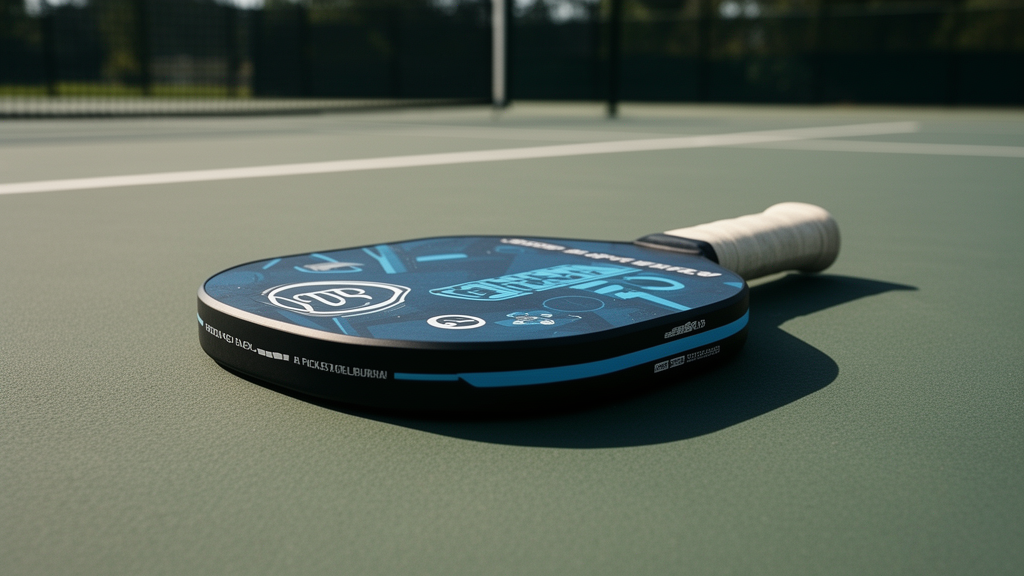
How to Choose the Best Pickleball Paddle for You
Pickleball is one of the fastest-growing sports in the U.S., and choosing the right paddle can make a big difference in how much you enjoy the game—and how well you play. Whether you’re just starting out or looking to upgrade, finding the best pickleball paddle means matching its features to your style, skill level, and physical comfort.
Match Your Paddle to Your Playing Style and Skill Level
The best pickleball paddle isn’t the most expensive one—it’s the one that fits how you play. Beginners often benefit from paddles with a larger sweet spot and a bit more control, which helps with consistency. Mid-level players might look for a balance of power and control to support more aggressive shots and precise dinks. Advanced players usually prefer lightweight paddles with a smaller sweet spot for greater maneuverability and spin control. If you’re a net player who loves soft dinks and volleys, prioritize control. If you hang back and hit powerful drives, you might lean toward a paddle with more power.
Understand Weight and Balance: It’s All About Feel
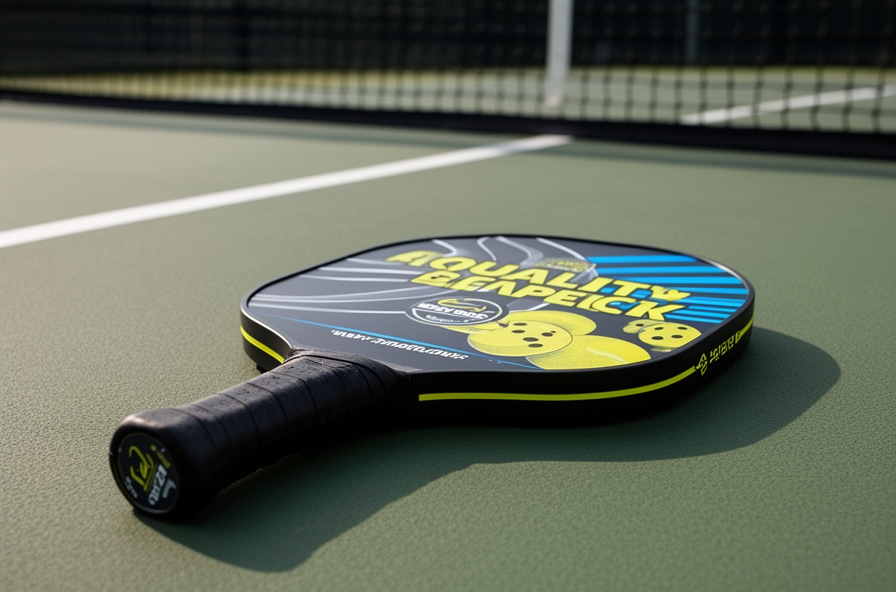
Paddle weight typically ranges from 6.8 to 14 ounces. Most players find a sweet spot between 7.3 and 8.3 ounces. Lighter paddles (under 7.8 oz) are easier on the arm and great for quick volleys and net play, but may lack power. Heavier paddles (over 8.3 oz) give you more punch on groundstrokes and serves, but can cause fatigue over time. Balance matters too: a head-heavy paddle adds power, a head-light paddle improves control and speed, and a balanced paddle offers a blend of both. Try holding a few different weights in your hand—do you feel like you’re fighting the paddle, or does it feel like an extension of your arm?
Core Materials: Polymer, Aluminum, or Nomex?
The core of your paddle affects feel, sound, and durability. Most modern paddles use polymer cores, which are quiet, durable, and offer a good mix of control and power. They’re ideal for most players, especially beginners and intermediates. Aluminum cores are lighter and more responsive but tend to be louder and less forgiving on mishits. Nomex honeycomb cores (used in some premium paddles) offer excellent power and a solid feel, but they’re heavier and more expensive. Polymer is the go-to for most players because it’s reliable, consistent, and widely available across price points. Don’t be swayed by marketing buzz—focus on how the paddle performs when you hit the ball.
Surface Materials: Graphite, Composite, or Fiberglass?
The surface material impacts spin, control, and durability. Graphite surfaces are smooth and offer excellent control with a soft feel, making them popular among players who rely on finesse. Fiberglass is more durable and provides a bit more power and spin, but it can feel a little harsher on the arm. Composite surfaces (often a blend of materials) strike a middle ground—good control, decent power, and solid durability. For beginners, fiberglass or composite is often the best bet because they’re forgiving and long-lasting. Advanced players who generate their own spin might prefer graphite for its precision. Always check reviews from players with similar styles to see how the surface holds up over time.
Find the Right Grip Size for Comfort and Control
A grip that’s too small or too large can lead to blisters, poor control, or even injury. To find your ideal size, measure from the crease of your ring finger to the tip of your middle finger. Most paddles come in sizes from 4 inches to 4.75 inches. A simple test: hold the paddle as if you’re shaking hands. There should be a slight gap between your fingertips and your thumb pad—no squeezing, no slack. If your fingers are pressing into your palm, go up a size. If you can’t reach your thumb, go down. Many brands offer overgrips to fine-tune the size after purchase. Don’t ignore this step—your grip affects every shot you make.
Test Before You Buy: How to Choose the Best Pickleball Paddle
The best way to find your ideal paddle is to try before you buy. Many local pickleball clubs, pro shops, and even some sporting goods stores offer demo programs. Borrow a few paddles with different weights, core types, and surface materials. Hit against a wall, practice dinks, and try a few serves. Pay attention to how each paddle feels on your wrist, how it responds on off-center hits, and whether it causes fatigue after 10 minutes. If you can’t demo, look for retailers with generous return policies. Read real player reviews—not just star ratings, but comments about control, power, and durability over time. Avoid buying based on celebrity endorsements or flashy designs. The best pickleball paddle is the one that feels natural in your hand and helps you play your best game, week after week.
Shop best pickleball paddle on Amazon →
As an Amazon Associate we earn from qualifying purchases.