Pickleball Court Shoes Vs Tennis Shoes
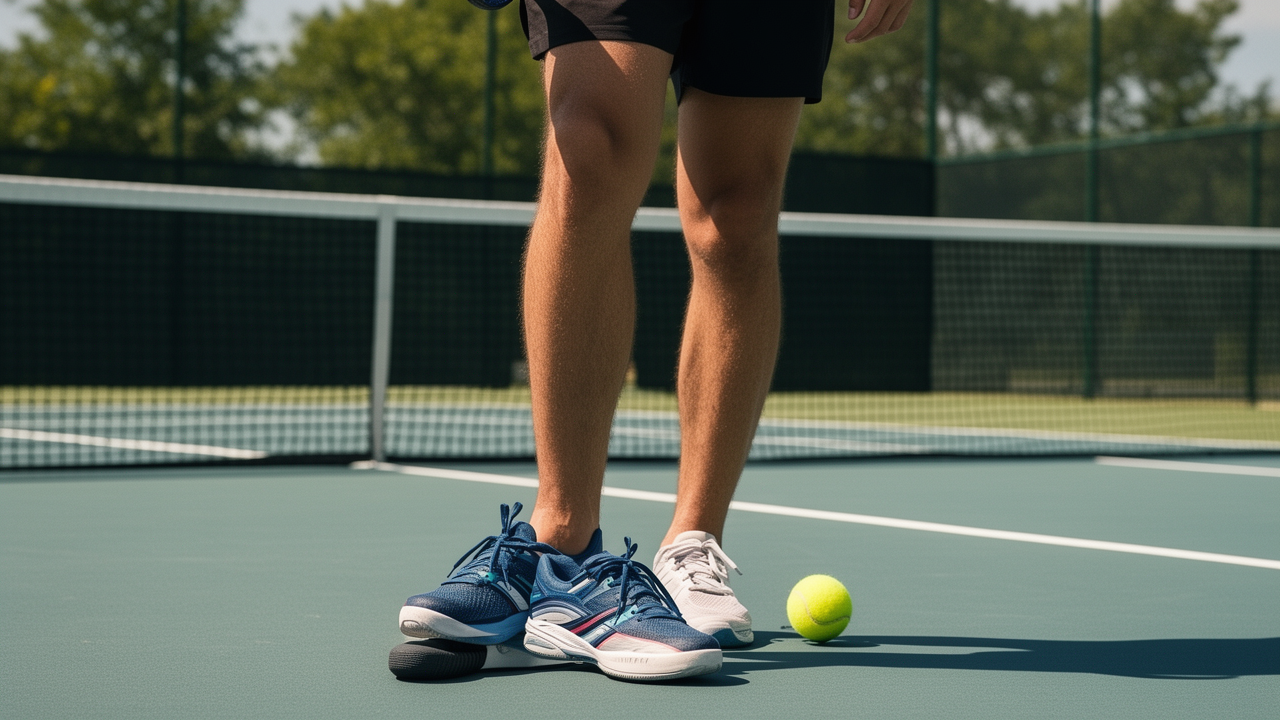
When choosing between pickleball court shoes and tennis shoes, the key difference lies in how each is engineered for the sport’s unique movements. Pickleball demands rapid lateral cuts, quick pivots, and frequent stops on hard surfaces—requiring footwear with specialized support that generic tennis shoes often lack. While tennis shoes might seem like a convenient option, they typically fall short in critical areas for pickleball players.
Why Lateral Support Matters in Pickleball
Pickleball involves constant side-to-side shuffling, abrupt stops, and quick directional changes in a confined space—unlike tennis, which features longer sprints and more forward/backward movement. Standard tennis shoes often have a narrower base and less reinforcement along the outer edge, increasing your risk of ankle rolls during sudden lateral movements. Pickleball-specific shoes address this with a wider platform and extra padding or structural overlays on the medial and lateral sides. This design stabilizes your foot during cuts, reducing strain on your ankles and knees. If you’ve ever felt your foot slide inward after a quick side step, it’s a sign your current shoes lack the targeted support pickleball demands. Look for models with visible side guards or reinforced midsoles to handle these micro-movements safely.
Sole Design: Traction and Court Surfaces
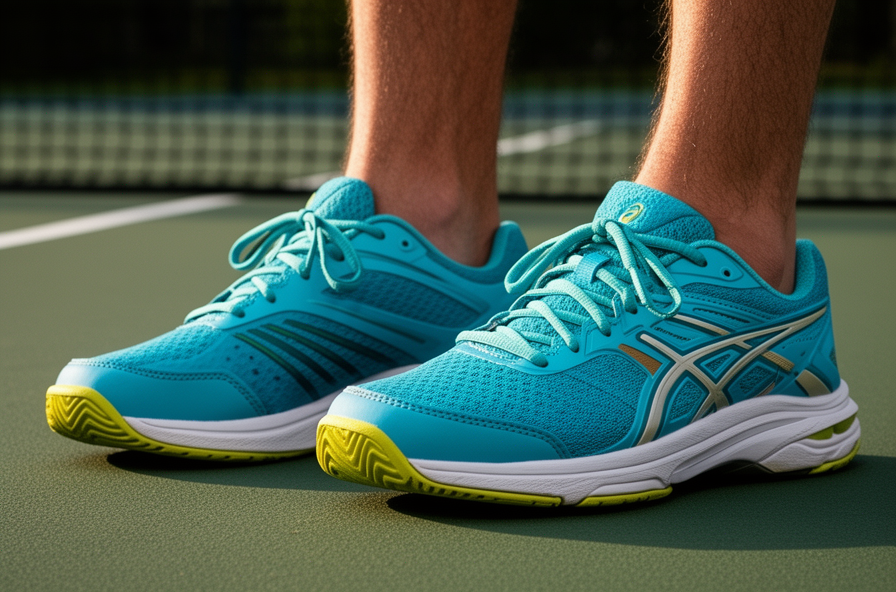
The sole pattern is where pickleball and tennis shoes diverge most visibly. Pickleball court shoes use a multi-directional herringbone or modified circular pattern optimized for hard courts—both indoor and outdoor. This provides balanced grip for side-to-side motion without excessive “stickiness” that could cause knee strain during pivots. Tennis shoes, especially those designed for clay or grass courts, often feature deeper, directional treads that can lock too aggressively on hard surfaces, increasing torsional stress. Even “all-court” tennis shoes typically prioritize forefoot traction for baseline play over the 360-degree responsiveness needed in pickleball. Crucially, both sports require non-marking soles, but pickleball-specific models use softer rubber compounds that maintain grip on smooth gym floors without scuffing. Always check the sole for a uniform, low-profile pattern if you play on indoor courts to avoid damaging surfaces.
When Tennis Shoes Might Be Acceptable (With Limitations)
For absolute beginners playing casually once a week or those on a tight budget, a modern pair of tennis shoes designed for hard courts could suffice short-term. If your current tennis shoes have non-marking soles, a wide base, and minimal wear, they might work for recreational play on outdoor courts. However, avoid older tennis shoes or those built for clay/grass courts, as their soles can be too rigid or sticky. Note that even suitable tennis shoes lack the precise lateral reinforcement of pickleball models, so you’ll likely feel less stability during volleys or dinks. As your skill level rises or if you play multiple times weekly, the limitations will become obvious—especially if you experience foot fatigue or instability. This is a temporary fix; it’s not ideal for anyone serious about the game.
Injury Prevention: The Hidden Cost of Compromising
Wearing inadequate footwear is a leading cause of preventable pickleball injuries. Tennis shoes often lack the shock absorption in the forefoot needed for frequent stop-and-go movements, transferring impact to your knees and hips. Their less supportive structure also increases the risk of ankle sprains during side-to-side motion—especially on slippery indoor courts. Over time, this can lead to chronic issues like plantar fasciitis or Achilles tendinitis. Pickleball court shoes mitigate these risks with features like reinforced heel counters, energy-return midsoles, and strategic cushioning that aligns with the sport’s biomechanics. Think of it as insurance: investing in proper shoes now avoids costly downtime from injuries later. If you’ve had recurring foot or joint pain during play, your footwear is likely a contributing factor.
Making the Right Choice for Your Play Style
Assess your commitment level before deciding. Casual players who only hit the courts occasionally can use hard-court tennis shoes if they fit well and have non-marking soles. But for anyone playing more than twice a week, or those with a history of ankle issues, pickleball-specific shoes are essential. Prioritize these features: a low-profile design (to avoid tripping on the net), 10-15mm heel-to-toe drop for natural movement, and breathable mesh uppers for comfort during long sessions. Brands like Asics, Nike, and Babolat now offer dedicated pickleball lines that balance stability and agility. When trying on shoes, simulate game movements—step laterally, pivot, and jump—to test for stability. Your feet should feel locked in without pressure points. If your current tennis shoes cause fatigue or instability by the third game, it’s time to upgrade.
Final Tips for Footwear Longevity
Maximize your investment by rotating between two pairs of shoes to let them dry completely between uses, which maintains sole traction and prevents premature wear. Always clean soles with a damp cloth after outdoor play to remove abrasive grit that degrades rubber. Store shoes in a cool, dry place—not in your car’s trunk, where heat can warp soles. For tennis players switching to pickleball, avoid using worn-out tennis shoes; the midsole cushioning is often compromised after 300-500 miles of wear. Finally, replace any shoe showing uneven sole wear, heel collapse, or reduced cushioning—usually after 6-12 months of regular play. Your feet will thank you for the support, and you’ll stay in the game longer without injury setbacks.
Shop pickleball court shoes vs tennis shoes on Amazon →
As an Amazon Associate we earn from qualifying purchases.