Pickleball Overgrip Vs Replacement Grip
Choosing the right grip is essential for control and comfort in pickleball, but the terms “overgrip” and “replacement grip” often cause confusion. Understanding their distinct purposes helps you maintain your paddle’s performance without unnecessary expense or hassle. Let’s clarify the difference so you can make informed decisions about your gear.
What Are Overgrips and Replacement Grips?
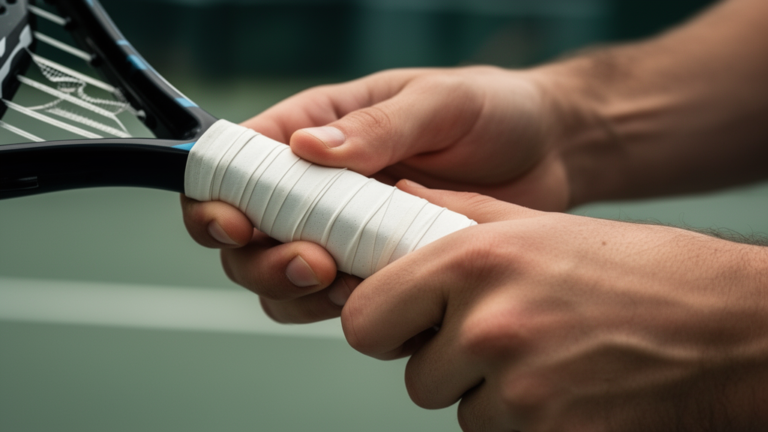
Both types serve your paddle’s handle, but they’re designed for entirely different roles. An overgrip is a thin, removable layer (typically 0.5mm thick) applied on top of your paddle’s existing grip. It’s meant for temporary upgrades like added tackiness or moisture absorption. Replacement grips, however, are thicker (1.5–2.5mm) and designed to replace the paddle’s original factory grip entirely. They alter the handle’s size, cushioning, and overall feel. Think of overgrips as disposable “gloves” for your grip, while replacement grips are like rebuilding the handle foundation itself.
Key Differences: Thickness, Feel, and Purpose
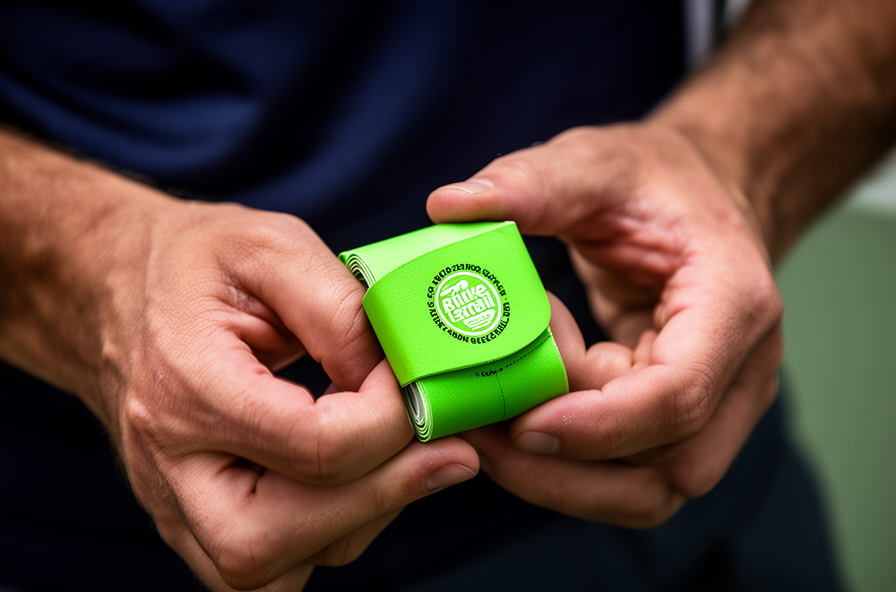
The most obvious distinction is thickness, which directly impacts your play. Overgrips are ultra-thin and slightly stretchy, adding minimal bulk while enhancing grip tackiness for sweaty hands. They’re ideal for quick fixes during matches but offer no structural change to the handle. Replacement grips are substantially thicker and less elastic, providing more cushioning and the ability to increase your handle’s diameter—critical if your paddle feels too narrow or causes hand fatigue. Overgrips also wear out faster (often lasting 1–3 matches), while replacement grips can endure months of regular play when properly maintained.
Consider these practical differences:
- Overgrips absorb moisture, improve tack, and protect the base grip from oils. They’re easy to replace mid-game but don’t address issues like a slippery or damaged factory grip.
- Replacement grips solve core problems like a worn-down handle, uncomfortable size, or lack of shock absorption. They require removing the old grip and are a longer-term solution.
Using them interchangeably leads to frustration: applying an overgrip over a damaged base grip won’t restore lost cushioning, while replacing your entire grip for minor slipperiness is overkill.
When to Replace: Signs It’s Time for a New Grip
Knowing when to swap either grip saves you from compromised performance. For overgrips, replace them immediately if they feel slick when sweaty, develop frayed edges, or lose their sticky texture—this usually happens after 3–10 hours of play. During a match, a worn overgrip might cause your paddle to twist on volleys or drop shots. If you notice blisters or hand fatigue despite a fresh overgrip, the issue likely lies with the base grip.
Replacement grips need changing when the factory grip is cracked, compressed, or so smooth it won’t hold an overgrip properly. If your handle feels too small (causing you to grip too tightly) or lacks shock absorption (leading to arm strain), a thicker replacement grip is the solution. Players often overlook that a worn base grip undermines even the best overgrip—always inspect the underlying layer before reapplying a new overgrip.
Installation Tips for Long-Lasting Performance
Proper installation maximizes grip life and feel. For overgrips, start at the paddle’s throat (not the butt cap), stretching the grip slightly as you wrap it upward in overlapping layers (about 20% overlap per wrap). This creates a smooth, bubble-free surface. Secure the end with the included tape—never use excessive tension, which can cause premature tearing. Many players mistakenly wrap from the butt cap up, creating a bump that interferes with their grip.
Replacing your base grip requires more care. First, completely remove the old grip (use a hairdryer on low heat to loosen adhesive if needed). Clean the handle with a dry cloth to remove residue. When applying the new replacement grip, begin at the throat and wrap tightly toward the butt cap, ensuring consistent tension. Use the adhesive backing if provided, and finish with the end cap. For both types, let the grip rest for 1–2 hours before playing to allow adhesives to set fully. Avoid water during application—it weakens adhesion.
Pro tip: Carry a spare overgrip in your bag for mid-match swaps. Remove it immediately after play to prevent heat damage to the base grip.
Making the Right Choice for Your Game
Start by assessing your paddle’s current state. If the factory grip is intact but feels slippery during long matches, an overgrip is your best bet—it’s affordable and quick to apply. Overgrips are also perfect for players who switch between indoor and outdoor courts, as different surfaces demand varying levels of tackiness. Leading brands offer overgrips with moisture-wicking or extra-sticky options for these scenarios.
Choose a replacement grip if you’re experiencing persistent hand fatigue, the handle feels too thin, or the factory grip is visibly worn. Replacement grips come in various thicknesses and materials (like perforated for breathability or cushioned for shock absorption), so match your choice to your needs: thicker grips for power players, thinner for those prioritizing paddle control. Remember, you can always add an overgrip on top of a replacement grip for extra protection—this layered approach extends the life of both.
Ultimately, overgrips are your “tune-up” tool for maintaining peak performance, while replacement grips address fundamental comfort and safety issues. By using each for its intended purpose, you’ll keep your paddle feeling like new without overspending. Check major online retailers for options from trusted brands; they typically offer samples so you can test textures before committing to a full set.
Shop pickleball overgrip vs replacement grip on Amazon →
As an Amazon Associate we earn from qualifying purchases.