Indoor vs Outdoor Pickleball: Gear & Game Differences
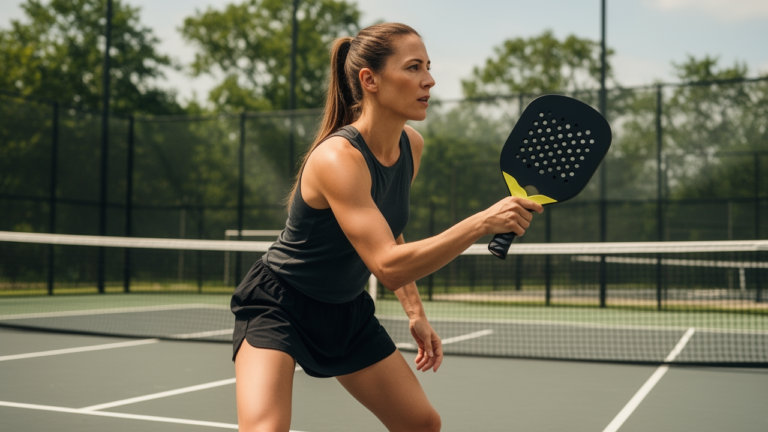
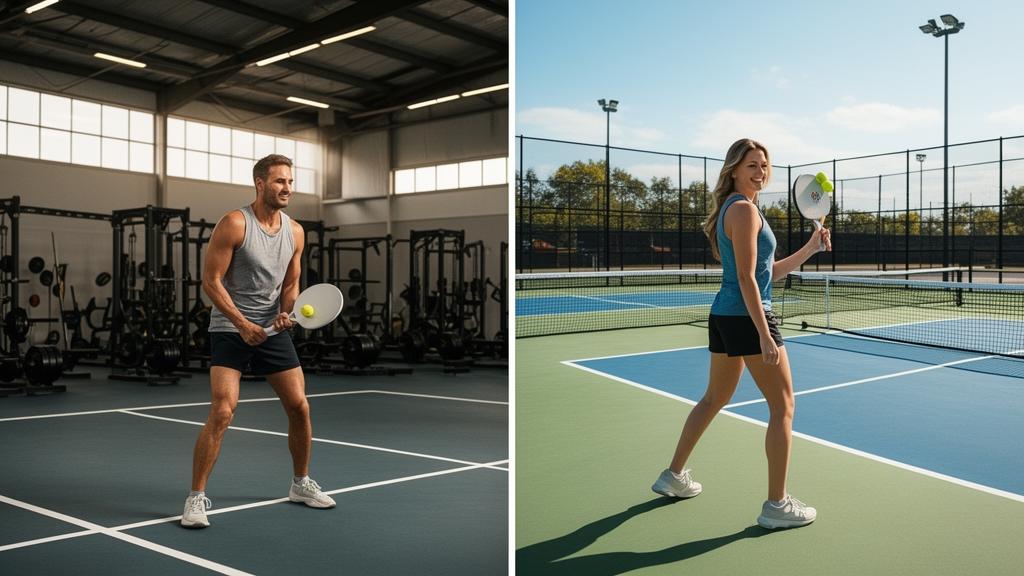
Pickleball is a sport that thrives both indoors and out, but the two environments demand different approaches. Understanding the nuances between indoor and outdoor pickleball can significantly improve your game and enjoyment. Let’s break down the key differences and how to gear up for each.
How the Game Changes: Key Differences Between Indoor and Outdoor
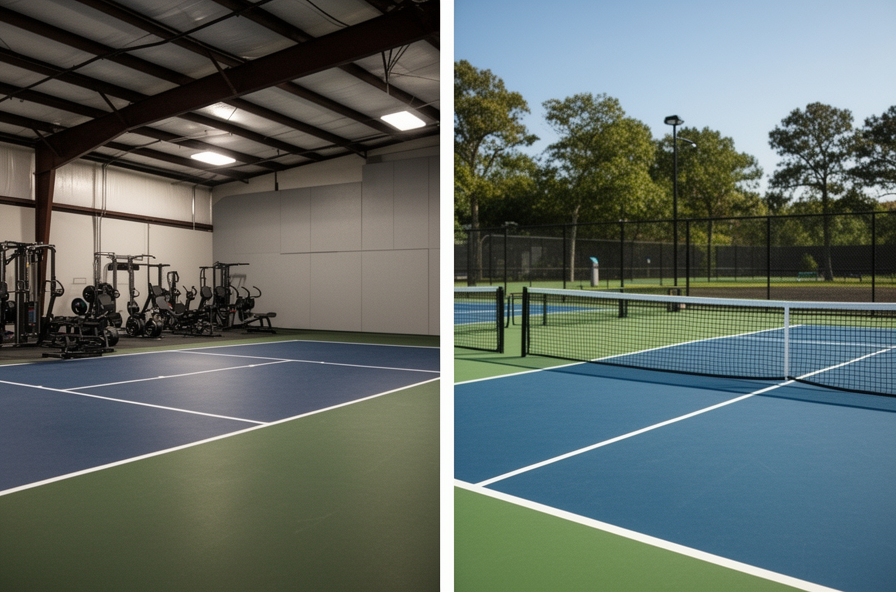
Playing pickleball indoors versus outdoors creates distinct experiences due to environmental factors. Outdoors, wind becomes a major variable, altering ball trajectory and requiring adjustments to your swing speed and shot placement. Indoors, you’ll encounter a more controlled setting without wind interference but face different challenges like overhead lighting reflections and limited space for movement. The court surface also impacts footwork: outdoor courts are typically concrete or asphalt, while indoor courts often use wood or specialized sports flooring. This affects your speed and stability during quick volleys. Additionally, indoor play often uses different sound rules—many facilities require quieter shoes to protect the court surface, which influences both gear choices and how you move.
Ball Differences: The Heart of the Matter
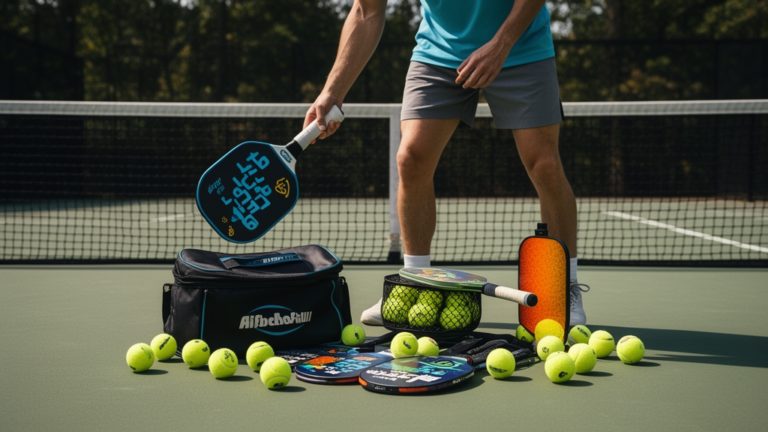
Ball selection is critical for adapting to each environment. Outdoor balls are designed for durability against rougher surfaces and wind resistance, featuring harder plastic and fewer holes (usually 40). They travel faster and require a more controlled touch. Indoor balls use softer plastic with more holes (typically 42-44), making them lighter and slower to accommodate the enclosed space and smoother surfaces. Using the wrong ball can ruin your game—outdoor balls bounce too high indoors, while indoor balls get blown off course outside. Always check local rules, as some leagues or facilities specify approved ball types like the Dura Fast 40 for outdoor or ONIX Fuse for indoor play.
Surface, Sound Rules, and Environmental Factors
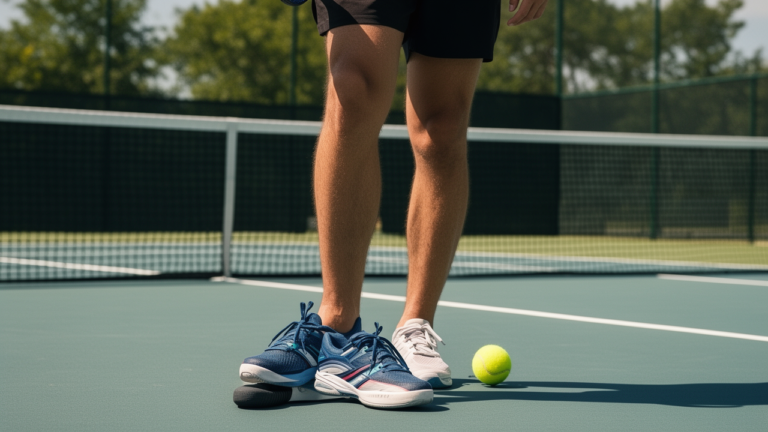
Court surfaces directly impact your movement and shot strategy. Outdoor concrete courts provide consistent bounce but demand shock-absorbing shoes due to their hardness. Indoor wooden courts are smoother and faster, requiring shoes with sticky soles for quick lateral movements. Many indoor facilities enforce “quiet shoe” policies to prevent scuff marks, so check their requirements before playing. Wind is the most significant outdoor factor—it affects ball flight, especially on lobs and serves, requiring you to hit flatter shots with less topspin. Indoors, lighting can create glare on the ball or court, so wearing sunglasses with polarized lenses might help. The enclosed space also means balls hit walls or structures more often, which may require specific local rules about “out of bounds” calls.
Adapting Your Play Style for Each Environment
Your technique must shift between settings to stay competitive. Outdoors, wind demands a more compact swing and lower contact point; avoid high-arcing shots that get caught in gusts. Focus on driving the ball with controlled power and using the wind to your advantage—hit with it for extra speed or against it for shorter, softer returns. Indoors, the slower ball and
Shop indoor vs outdoor pickleball on Amazon →
As an Amazon Associate we earn from qualifying purchases.