Best Men’s Pickleball Shoes
Court Shoes vs Running Shoes: Why Lateral Support Matters
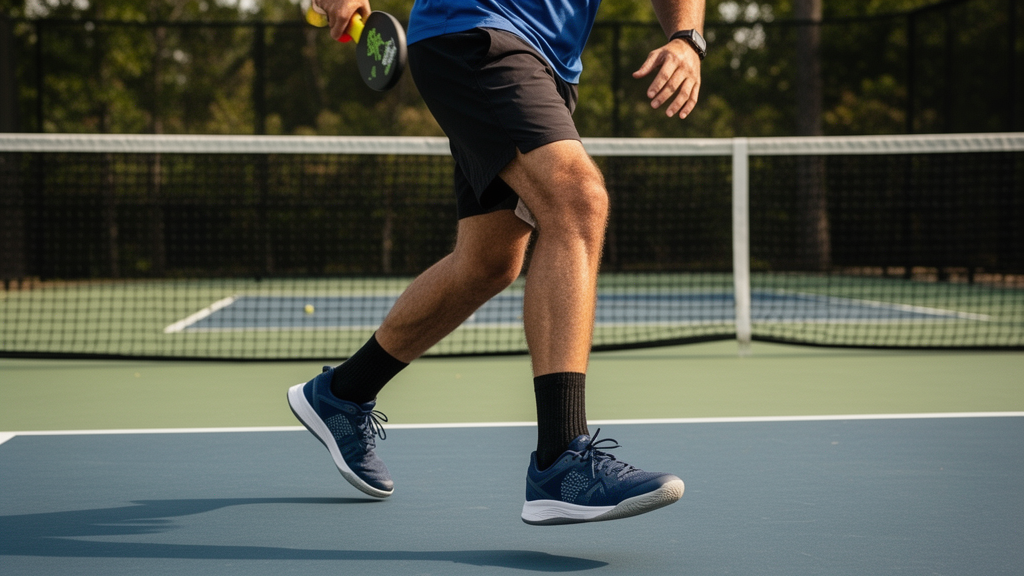
Pickleball demands rapid side-to-side movements, sudden stops, and quick pivots – actions that running shoes simply aren’t built for. While running shoes prioritize forward motion cushioning, court-specific footwear features reinforced side walls (like medial and lateral posts) and a wider base to prevent ankle rolls during lateral cuts. Wearing running shoes for pickleball significantly increases injury risk; you’ll notice instability when changing direction, which can lead to slips or sprains. Brands like Asics, Babolat, and K-Swiss design court shoes with this lateral stability in mind, making them essential for serious play. Always choose shoes labeled for tennis, squash, or multi-court sports if dedicated pickleball models aren’t available.
Outdoor vs Indoor: Picking the Right Outsole
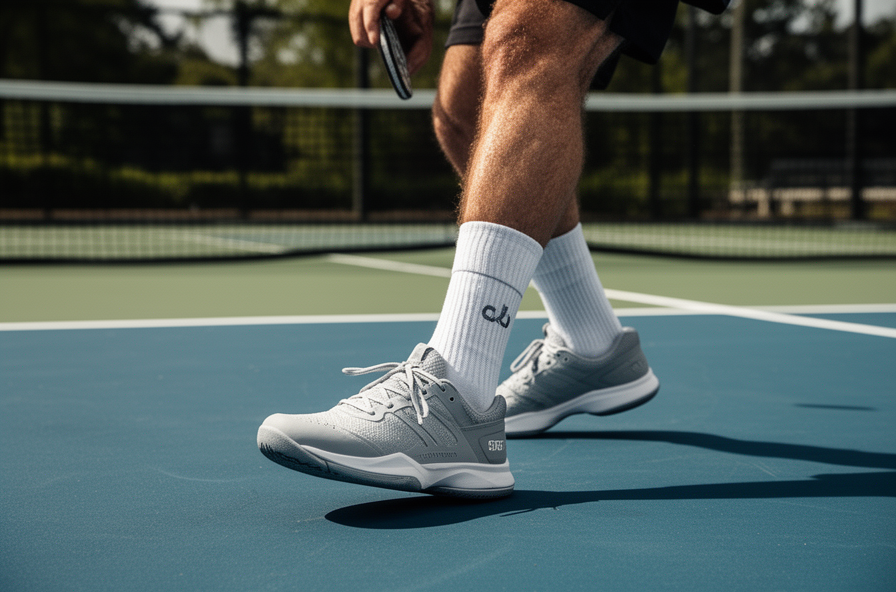
Surface type dictates your outsole choice. Outdoor pickleball courts (asphalt or concrete) require harder, more durable rubber with deeper, aggressive treads to handle abrasive surfaces and provide reliable grip in varying weather. Look for “outdoor” or “hard court” designations on shoe labels. Indoor courts (wood or synthetic) need softer, stickier rubber compounds with flatter, herringbone-patterned outsoles for maximum traction without damaging the floor. Using outdoor shoes indoors can cause scuff marks, while indoor shoes worn outside will wear down rapidly. Many players opt for “multi-court” shoes as a versatile middle ground, but dedicated indoor or outdoor models offer superior performance for their specific environment. Check product descriptions for surface recommendations to avoid costly mistakes.
Cushioning vs Stability: Finding Your Balance
Striking the right balance between cushioning and stability is crucial for comfort and performance. High cushioning (like EVA or foam midsoles) absorbs impact on hard outdoor courts, reducing stress on knees and joints during jumps and landings. However, excessive cushioning can compromise stability during quick directional changes. Stability features – such as firm heel counters, TPU shanks, or dual-density midsoles – keep your foot secure during lateral movements. Players with flat feet or past ankle issues often prioritize stability, while those on outdoor courts may lean toward extra cushioning. Top brands like Nike and Adidas offer models emphasizing one aspect or blending both; try on multiple styles to feel the difference. Remember: the best shoe for you supports your natural movement without feeling overly stiff or squishy.
Durability and Toe Drag: Built for the Game
Pickleball’s unique footwork, especially the “toe drag” during serves and deep lunges, puts immense stress on the front of your shoe. Durability hinges on reinforced toe caps (often extra rubber overlays) and abrasion-resistant uppers (like synthetic leather or reinforced mesh). Check the toe area for visible reinforcement patches – these prevent premature wear from dragging. The outsole material also matters; harder compounds last longer outdoors but may sacrifice indoor grip. Quality court shoes feature durable rubber blends specifically engineered for stop-and-go sports. Avoid lightweight running shoes with minimal toe guards; they’ll tear within weeks. Inspect the upper for stitching quality and material thickness – thin mesh may rip during aggressive play. This focus on high-wear zones ensures your shoes last through countless matches.
Fit Tips: How Your Pickleball Shoes Should Feel
Proper fit prevents blisters and maximizes performance. Your pickleball shoe should feel snug through the midfoot and heel with no slippage, but allow a thumbnail’s width of space between your longest toe and the shoe’s front. This prevents jammed toes during forward lunges. Width is critical; if your feet splay during lateral moves, consider brands offering wide or extra-wide options (like some Asics or New Balance models). Try shoes late in the day when feet are slightly swollen, wearing the socks you play in. Test the fit by mimicking pickleball movements: do a quick lunge, pivot, and jump. You should feel locked in without tight pressure points. Avoid sizing down for a “snug” fit – this causes discomfort during extended play. If buying online, prioritize retailers with generous return policies to ensure you get the perfect fit.
How to Choose the Best Mens Pickleball Shoes for You
Selecting your ideal pair starts with your primary playing environment. If you play exclusively outdoors, prioritize hard-wearing outsoles and durable uppers. For indoor players, focus on sticky rubber and non-marking soles. Consider your foot type: those with high arches often benefit from extra cushioning, while flat-footed players may need stability features. If you have a history of ankle issues, choose models with higher midsoles or built-in support. Budget-wise, reliable options exist across price ranges, but avoid ultra-cheap running shoes marketed as “multi-sport” – they lack the necessary lateral support. Visit a specialty store to try top brands like Prince, Babolat, or K-Swiss, or shop online with retailers offering free returns. Ultimately, the best mens pickleball shoes feel like an extension of your foot, enabling quick movements without distraction. Invest time in finding the right fit; your game and joints will thank you. Always prioritize function over fashion – the right shoe keeps you on the court, not sidelined.
Shop mens pickleball shoes on Amazon →
As an Amazon Associate we earn from qualifying purchases.