Best Pickleball Shoes: Court-Ready Footwear
Pickleball shoes are more than just stylish footwear—they’re your foundation on the court. Whether you’re sliding into a drop shot or exploding sideways for a volley, the right pair can mean the difference between a smooth point and a twisted ankle. Choosing the right pickleball shoes isn’t about brand names—it’s about fit, function, and durability tailored to the unique demands of the game.
Why Court Shoes Matter for Pickleball
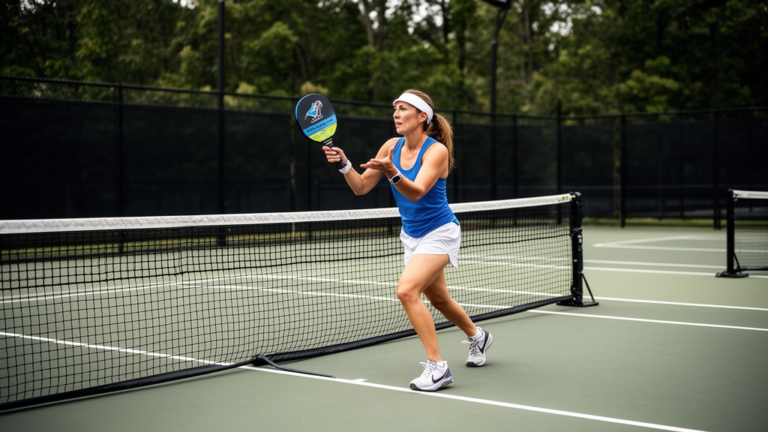
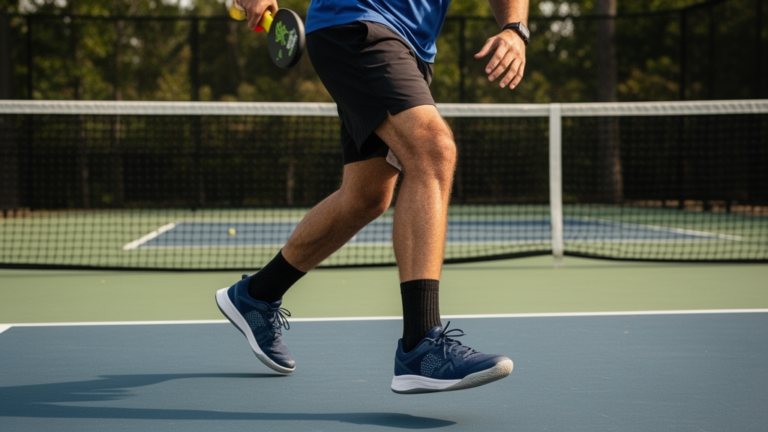
Pickleball demands quick, multi-directional movement—side-to-side shuffles, sudden stops, and explosive lunges. Unlike tennis or basketball, the court is smaller, and players change direction more frequently. That’s why standard athletic shoes fall short. Pickleball shoes are engineered with enhanced lateral support to protect your ankles during sharp cuts. The outsoles are designed for optimal grip on court surfaces without being too sticky or too slippery. And because you’re constantly moving, durability in high-wear zones like the toe and medial side is critical. Wearing the wrong shoe can lead to fatigue, reduced performance, or even injury over time.
Indoor vs Outdoor Soles: Know the Difference
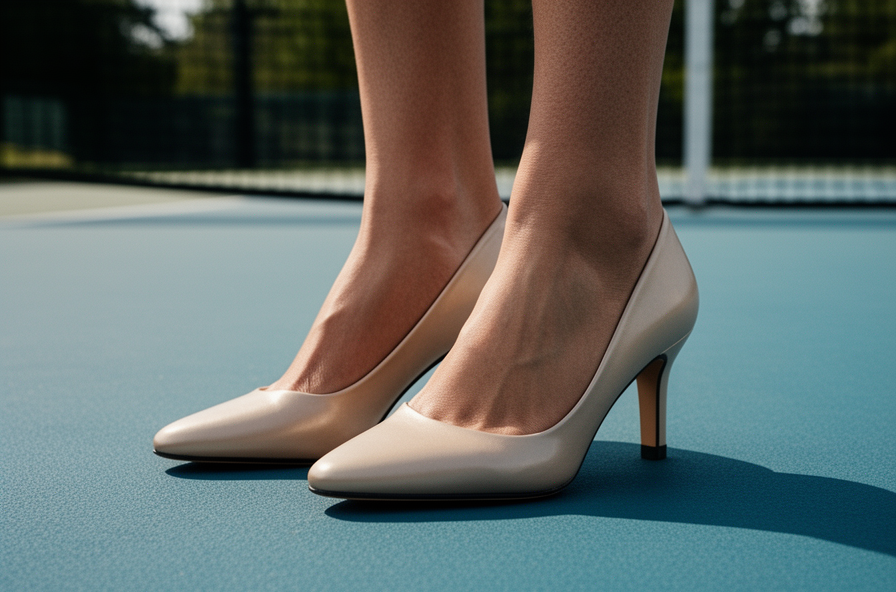
Not all pickleball shoes are made the same. The sole material is the biggest differentiator between indoor and outdoor models. Indoor pickleball shoes use a soft, non-marking rubber that grips smooth surfaces like gym floors and indoor courts. These soles provide excellent traction but wear down quickly on rough outdoor surfaces. Outdoor pickleball shoes, on the other hand, feature harder, more abrasion-resistant rubber that holds up on concrete, asphalt, and other rough surfaces. They sacrifice a bit of grip on indoor courts but last much longer outside. If you play mostly indoors, go for an indoor-specific shoe. If you’re playing on outdoor courts or split your time, invest in an outdoor model. Mixing them up can lead to premature wear or reduced safety.
Fit Is Everything: How to Get It Right
A perfect fit in your pickleball shoes is non-negotiable. Too tight, and you’ll get blisters or numb toes. Too loose, and your foot slides inside, increasing the risk of ankle rolls. When trying on shoes, do it later in the day when your feet are slightly swollen, and wear the same socks you’ll play in. Your toes should have about a thumb’s width of space from the front. The heel should lock in snugly without slipping. Look for shoes with a wide or medium width option—many players need extra room in the forefoot to avoid pressure on the ball of the foot. Don’t rely on sizing alone; brands vary. Try on multiple models and walk, jump, and pivot in them before buying.
Running Shoes vs Court Shoes: Don’t Make This Mistake
It’s tempting to grab your favorite running shoes for a quick game, but it’s a risky shortcut. Running shoes are built for forward motion—they have thick, cushioned soles designed to absorb heel strikes, not lateral forces. In pickleball, you rarely land on your heel. Instead, you push off the ball of your foot and move sideways constantly. Running shoes lack the lateral support and low-to-the-ground stability that court shoes provide. That means less control, more foot fatigue, and a higher chance of rolling your ankle. Court shoes are flatter, lighter, and have a wider base to keep you balanced during quick directional changes. If you’re serious about your game, leave the running shoes for the treadmill and invest in proper pickleball shoes.
How to Choose the Right Pickleball Shoes for You
Start by identifying your primary playing surface—indoor or outdoor. Then consider your foot shape and arch type. If you have flat feet or overpronate, look for shoes with added arch support and motion control. If you’re a high-impact player who moves fast and often, prioritize durability and lateral stability. Don’t overlook breathability—your feet will sweat, especially during long matches. Mesh uppers with ventilation zones help keep things cool. Finally, read real user feedback from players who play on similar surfaces. Look for comments about heel lockdown, toe durability, and comfort over multiple sessions. Brands like ASICS, New Balance, and Nike offer models widely used by pickleball players, but the best choice is the one that fits your feet and your game—not the one with the most ads.
Final Tip: Replace Them Before They Wear Out
Pickleball shoes don’t last forever. Even if the upper looks fine, the outsole can lose its grip long before it looks worn. If you notice your shoes slipping more during side-to-side movements, or if the tread is flattened on the lateral edges, it’s time to replace them. Most players get 60–80 hours of play out of a good pair. Keep track of your court time or replace them every 6–9 months if you play regularly. Don’t wait until you feel discomfort—by then, you’ve already compromised your performance and safety. Investing in quality pickleball shoes isn’t an expense—it’s an investment in your game, your health, and your enjoyment on the court.
Shop pickleball shoes on Amazon →
As an Amazon Associate we earn from qualifying purchases.