Pickleball Grips & Overgrips: Small Change, Big Feel
That small wrap around your paddle handle is more than just a cosmetic touch—it’s the critical connection point between you and the ball. Choosing the right pickleball grip can transform your control, reduce fatigue, and even protect your elbow during intense dinks and smashes. Let’s dive into why this often-overlooked gear deserves your full attention.
Why Your Pickleball Grip Size is More Important Than You Think
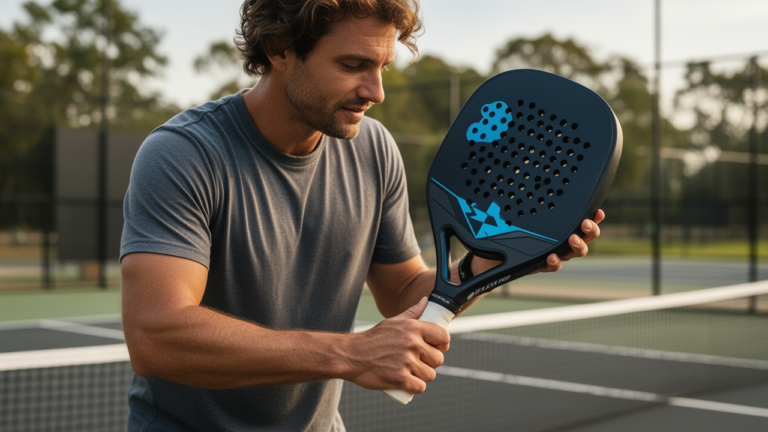
The circumference of your paddle’s handle, measured in inches, directly impacts your game and comfort. Most paddles come in standard sizes: 4 1/8″ (small), 4 3/16″ (medium), or 4 1/4″ (large). Choosing correctly ensures you aren’t white-knuckling the paddle during volleys or losing control on off-center hits. A grip that’s too small forces your hand to over-rotate, straining forearm muscles and increasing elbow stress—common culprits behind pickleball elbow. Conversely, an oversized grip limits wrist snap, reducing spin and touch on drop shots. Measure your current grip: if your fingertips don’t lightly touch your palm when gripping, it’s time to adjust. Adding an overgrip or replacement grip can add 1-2mm in circumference, making a medium feel like a large without replacing the entire paddle.
Overgrips vs. Replacement Grips: What’s the Difference?
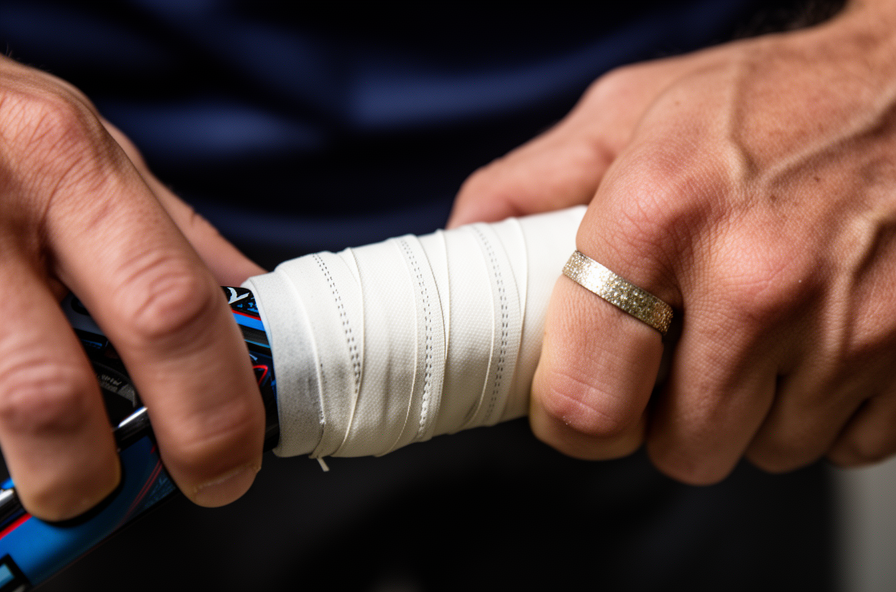
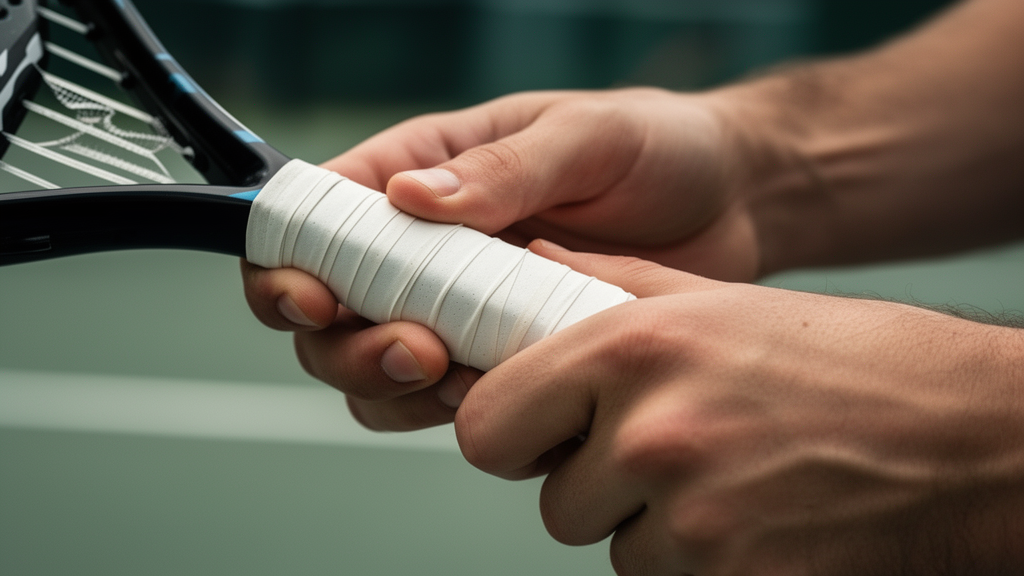
Understanding these two options prevents costly mistakes. Overgrips are thin, adhesive-backed wraps (typically 0.5–1.5mm thick) designed to go *over* your existing factory grip. They’re quick to apply, affordable, and ideal for refreshing tack or adding slight thickness. Replacement grips are thicker (2–4mm), non-adhesive sleeves that replace the factory grip entirely. They require removing the old grip first and often include a built-in moisture-wicking layer.
Key distinctions:
- Overgrips are for temporary refresh or minor adjustments. They wear faster but let you keep the paddle’s original feel. Brands like GAMMA and Pro-Lite offer overgrips in various textures.
- Replacement grips provide a complete reset. If your factory grip is worn or you need significant size change, this is the solution. Karakal and Yonex make durable options with enhanced cushioning.
Pro tip: Never layer multiple overgrips—they create uneven thickness and reduce control. If you’ve added two overgrips, it’s time for a replacement grip instead.
Tack vs. Absorption: Finding Your Perfect Grip Feel
Your grip’s texture and moisture management define your connection to the paddle. “Tack” refers to stickiness; a high-tack grip (like some polyurethane models) creates an adhesive feel, ideal for players who prefer minimal movement during swings. “Absorption” focuses on wicking sweat away, using materials like microfiber or cork. This is crucial for hot climates or players with clammy hands.
Consider your play style:
- High-tack grips shine in dry conditions, offering confident paddle control for aggressive drives. They can feel slippery when wet, so pair them with a sweatband if you’re prone to moisture.
- Absorbent grips (e.g., cork or perforated options) excel in humidity, maintaining grip as you sweat. They may require more hand pressure for the same feel as tacky variants.
Many modern grips blend both properties. Test samples if possible: a slightly tacky grip with moisture channels often strikes the best balance for most players.
Signs You Need to Re-wrap Your Pickleball Grip
Waiting too long to replace your grip sabotages your performance. Here’s when to act:
- Visible wear: Cracks, fraying edges, or exposed adhesive mean it’s time. Even minor damage compromises consistency.
- Loss of tack: If your paddle slips during backhand flicks or you’re constantly readjusting your hold, the grip’s surface has degraded.
- Moisture issues: A grip that stays damp after wiping or develops a “soggy” feel no longer wicks sweat effectively.
- Elbow discomfort: Persistent strain during play often traces back to an unstable grip forcing compensatory muscle tension.
General rule of thumb: Replace overgrips every 10–15 hours of play; replacement grips every 3–6 months with regular use. Rotate overgrips weekly if you play frequently to extend their life.
How to Choose the Right Grip for Your Game
Selecting your ideal pickleball grip starts with honest self-assessment. Ask yourself:
- What’s my sweat level? Heavy sweaters need moisture-wicking materials like perforated polymer or cork. Dry-hand players can prioritize tack.
- Do I have elbow issues? A slightly thicker grip (achieved via a replacement grip) reduces stress on tendons by minimizing excessive grip pressure. Look for cushioned options with shock-absorbing properties.
- What’s my play style? Dink-focused players often prefer tack for precision, while aggressive baseliners might favor absorbent grips for stability during powerful shots.
When testing, prioritize feel over brand names. Wrap a sample overgrip on your paddle before buying a full set—many brands offer trial sizes. For replacement grips, measure your current handle circumference to match your preferred size. Remember, a grip that feels “just right” during calm play should still hold up during heated rallies. If you’re unsure, start with a mid-tack, moisture-wicking option from reputable manufacturers; these versatile choices suit most players.
Finally, installation matters. Stretch overgrips slightly as you wrap for a seamless finish, and ensure replacement grips are pulled taut without bubbles. A clean, well-applied grip lasts longer and performs better. Your paddle’s performance hinges on this small but mighty component—treat it with the care it deserves, and feel the difference in every volley.
Shop pickleball grip on Amazon →
As an Amazon Associate we earn from qualifying purchases.